Bringing Playful Energy to Your Projects with Chibi Art
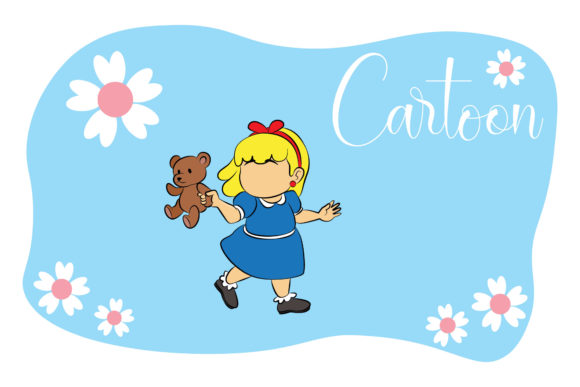
In the crowded digital landscape, grabbing attention is only half the battle; keeping it requires a spark of personality. We often talk about typography, kerning, and vector paths, but sometimes a project calls for something less rigid and more expressive. If you are a designer, entrepreneur, or content creator looking to inject a dose of adorable energy into your work, you might be overlooking a powerful asset: Cartoon Chibi Character Illustrations. These aren't just cute drawings; they are versatile design assets that bridge the gap between professional branding and relatable, human connection.
Understanding the Chibi Aesthetic
For the uninitiated, "Chibi" is a Japanese slang word describing something small or short. In the art world, it refers to a specific style of caricature where characters are drawn with oversized heads, large expressive eyes, and diminutive bodies. This exaggeration isn't just for cuteness; it is a psychological trigger. The proportions mimic the facial ratios of infants, which naturally evokes feelings of affection, empathy, and protectiveness in viewers.
When you incorporate Cartoon Chibi Character Illustrations into your marketing materials, you are leveraging this psychological response. The style is inherently disarming. It lowers the viewer's defenses, making them more receptive to your message. Unlike the stoicism of a corporate sans serif font or the seriousness of a serif typeface, chibi art signals approachability. It tells your audience, "We are friendly, we are fun, and we are here to help."
Practical Applications for Modern Creators
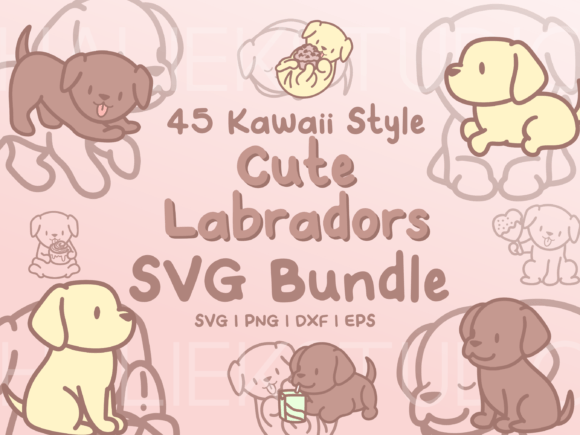
One of the biggest hurdles in using character art is file compatibility. You might find a great sketch on a napkin, but trying to digitize it for a billboard or a favicon is a nightmare. This is where the utility of these specific assets shines. These Cartoon Chibi Character Illustrations are available in a comprehensive suite of formats: AI, EPS, SVG, DXF, JPG, and PNG.
Let’s break down what that means for your workflow:
- Vector Formats (AI, EPS, SVG, DXF): These are essential for logo design, packaging design, and large-scale printing. Because they are vector-based, you can scale them from the size of a postage stamp to the side of a building without losing a single pixel of quality. If you are a crafter using a Cricut or Silhouette machine, the DXF format is particularly valuable for cutting intricate outlines.
- Raster Formats (JPG, PNG): These are your workhorses for digital content. The PNGs are vital for web design and social media graphics because they support transparency. You can layer a chibi character over a complex background in an Instagram story or a YouTube thumbnail without that ugly white box around the edges. The JPGs are perfect for quick mockups or blog post headers where file size is a concern.
Resizing Without the Headache
Furthermore, the canvas size of 1920 px x 1280 px is a thoughtful standard. It is large enough to cover high-resolution displays and standard print sizes, yet optimized for digital viewing. You won't need to spend hours manually resizing elements in Photoshop; the aspect ratio is designed to fit standard landscape layouts, making it immediately ready for hero images or presentation slides.
Integrating Illustrations with Typography
As a creative professional, I often see designs where the text and the image feel like they are fighting for attention. The key to using Cartoon Chibi Character Illustrations effectively is understanding how they interact with your typeface choices. This is where modern typography meets character art.
Because chibi art is high-contrast and visually "loud" (due to the large heads and eyes), it pairs best with cleaner typography. If you use a highly decorative script font or a chaotic handwritten font, the design can quickly become cluttered and unreadable. Instead, consider pairing these illustrations with a geometric sans serif font. The clean lines of the text will provide a resting place for the eye, allowing the character to be the focal point.
Conversely, if you are designing a logo that incorporates a chibi mascot, you might choose a bold, rounded display font that mimics the soft curves of the character. The goal is visual harmony. The illustration sets the tone—playful, energetic, whimsical—and your typography should support that voice, not scream over it.
Brand Consistency and Recognition
For small business owners and marketers, consistency is the bedrock of brand identity. Using a character illustration allows you to create a brand ambassador that is unique to you. By using the editable vector formats, you can change the colors of the character's hair or clothes to match your exact brand hex codes. This ensures that whether the character appears on your website, your email newsletter, or your physical packaging, the look is cohesive. This level of customization transforms a generic asset into a proprietary brand icon.
Maximizing Your Design Assets
Purchasing premium font bundles or illustration packs is an investment, and you want to ensure a return on that investment. Here is how to get the most out of these Cartoon Chibi Character Illustrations:
- Test for Readability: Before finalizing a design, step back. Can you read the text overlaid on the image? If the character has a lot of detail, apply a subtle drop shadow or a semi-transparent overlay behind your text to ensure legibility.
- Check Licensing: Always review the commercial licensing terms. A "commercial font" or asset usually allows you to use it in projects you sell, but specific restrictions can vary. Ensure your intended use—whether it's for merchandise, client work, or digital products—aligns with the license provided by the store.
- Evaluate the Fit: Not every project needs a chibi character. They work wonders for gaming channels, educational materials, pet brands, and lifestyle blogs. However, if you are working on a legal contract or a high-end luxury watch brand, this style might undermine the seriousness of the message. Know your audience.
Final Thoughts on Creative Flexibility
The beauty of working with high-quality design assets lies in their flexibility. The guarantee that these illustrations are easy to use and fully editable is crucial for professionals. We don't want static images; we want raw materials to build with. Whether you are a crafter cutting vinyl decals, a publisher looking for engaging editorial design elements, or a marketer crafting the next viral campaign, these illustrations provide a solid foundation.
By combining the emotional appeal of Cartoon Chibi Character Illustrations